
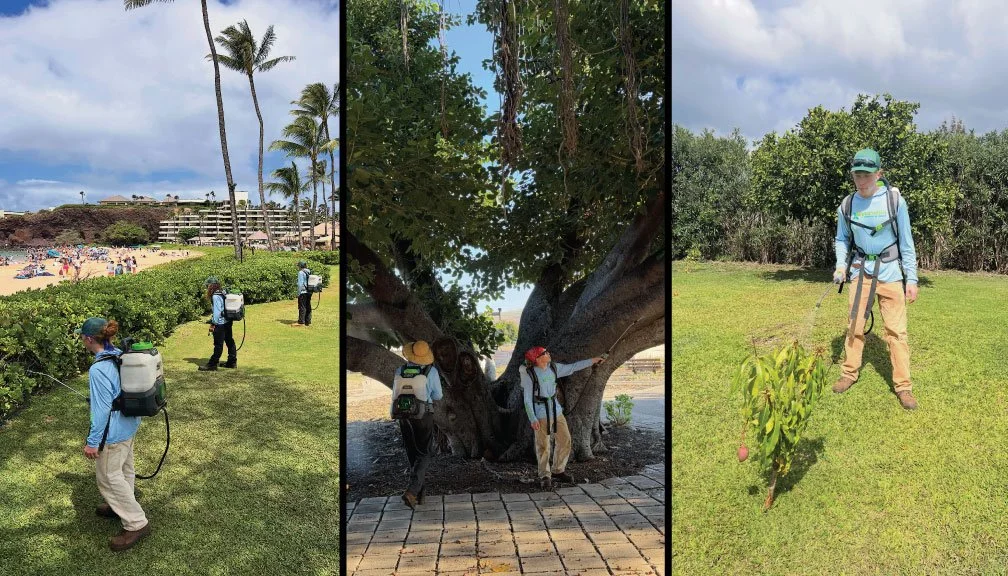
Biological Soil Systems for Resort Landscapes
Lower long-term landscape costs through soil function restoration. We increase water efficiency, reduce plant replacement costs, eliminate pests such as whitefly, and sooty mold, all while increasing flowering and beautification of your properties landscape. We design and implement biological systems that improve landscape performance without increasing operational burden.
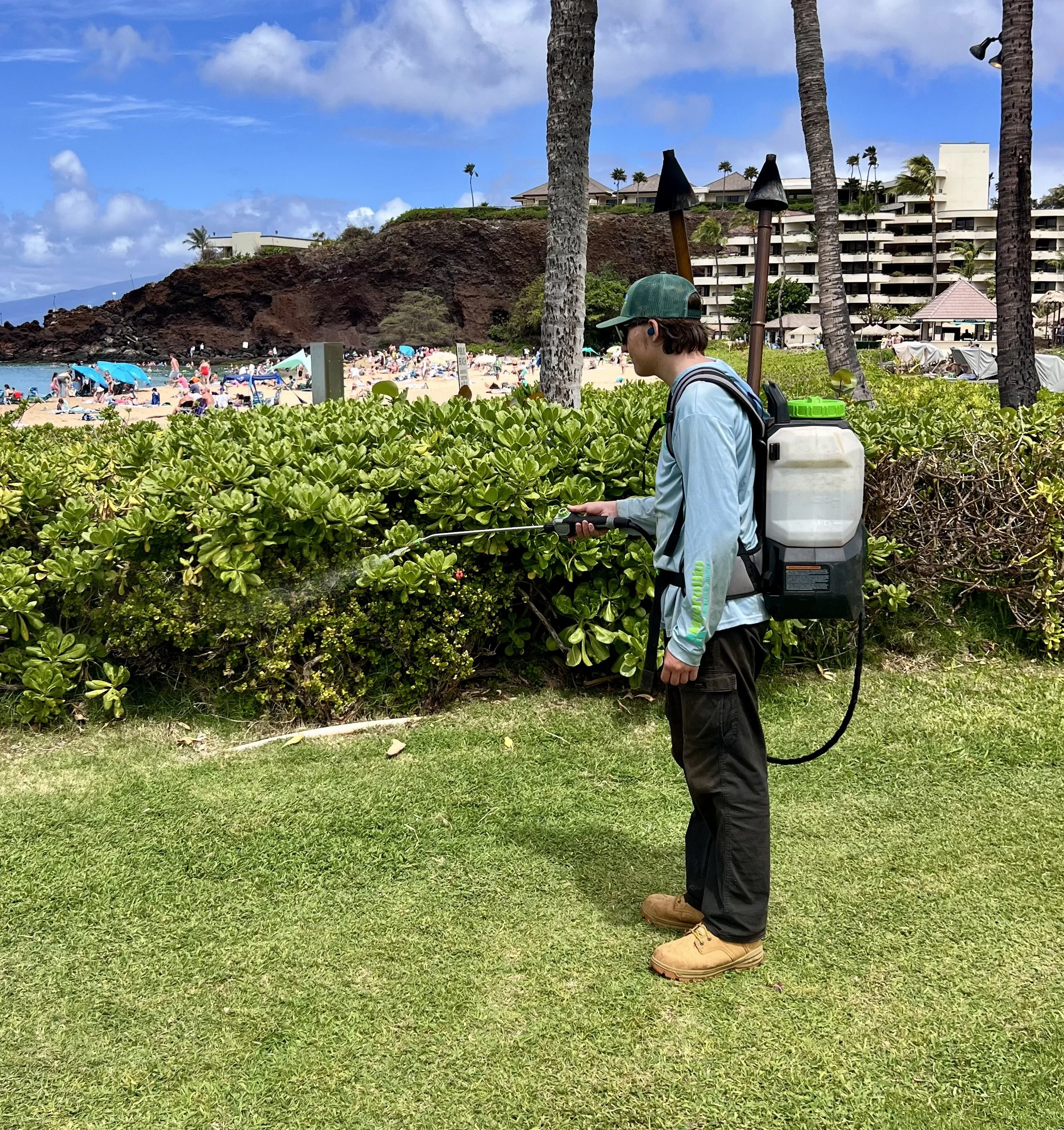
The Hidden Driver of Landscape Costs
Across resort properties, landscape performance is increasingly constrained by declining soil function. The result:
Rising irrigation demand
Ongoing fertilizer dependency
Inconsistent plant performance
Escalating replacement and labor costs
Reduced landscape visual appeal to guests
These issues are typically addressed at the surface level—while the underlying system continues to degrade.
Without restoring soil function, costs compound over time.
Our Approach
We operate at the systems level—not as a landscaping vendor. Mycrobio LLC delivers biological soil systems that:
Restore microbial function
Improve water and nutrient efficiency
Increase plant resilience across the property
Sequesters carbon
Uses locally made inputs
This creates a more stable, lower-input landscape system aligned with long-term asset performance. Our approach immediately qualifies your property for gold level reef safe certification, and aligns with ESG values.
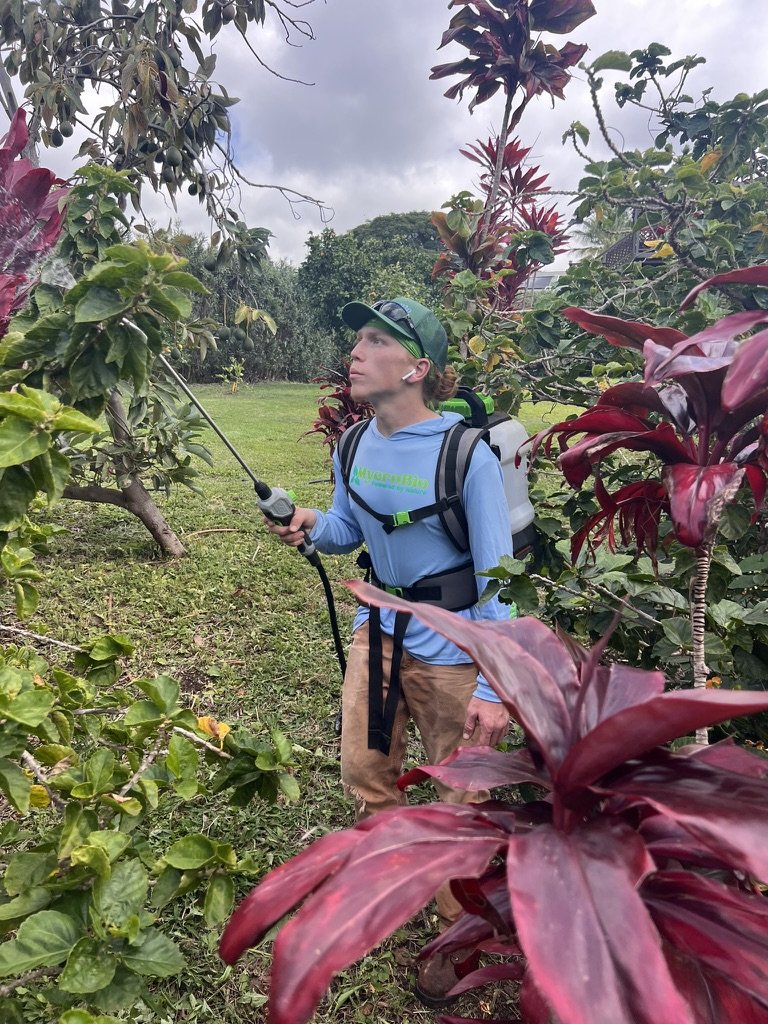
Soil Biology Program
Ongoing system management
A structured biological program designed to restore and maintain soil function across the property.
Scope:
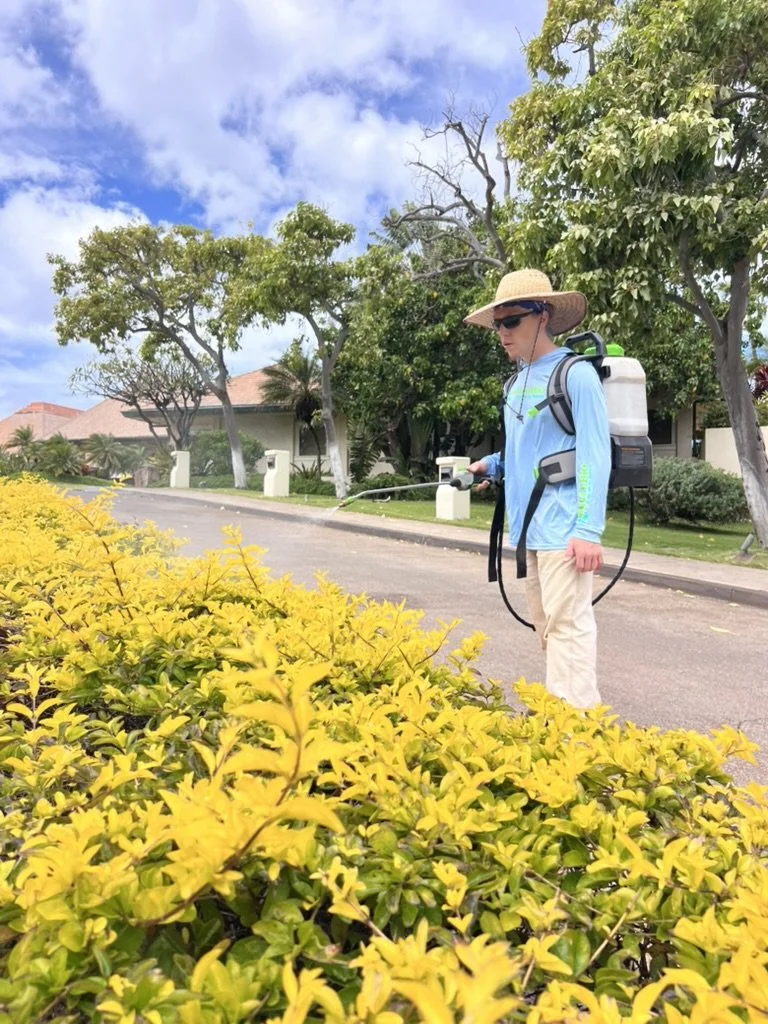
Scheduled biological applications (compost extracts & microbial inputs)
Site-specific soil protocols
Program calibration based on seasonal and site conditions
Biological pest control
Operational impact:
Reduced irrigation pressure
Lower synthetic input reliance
Improved plant consistency and health
Decreased replacement cycles
Elimination of pest and disease
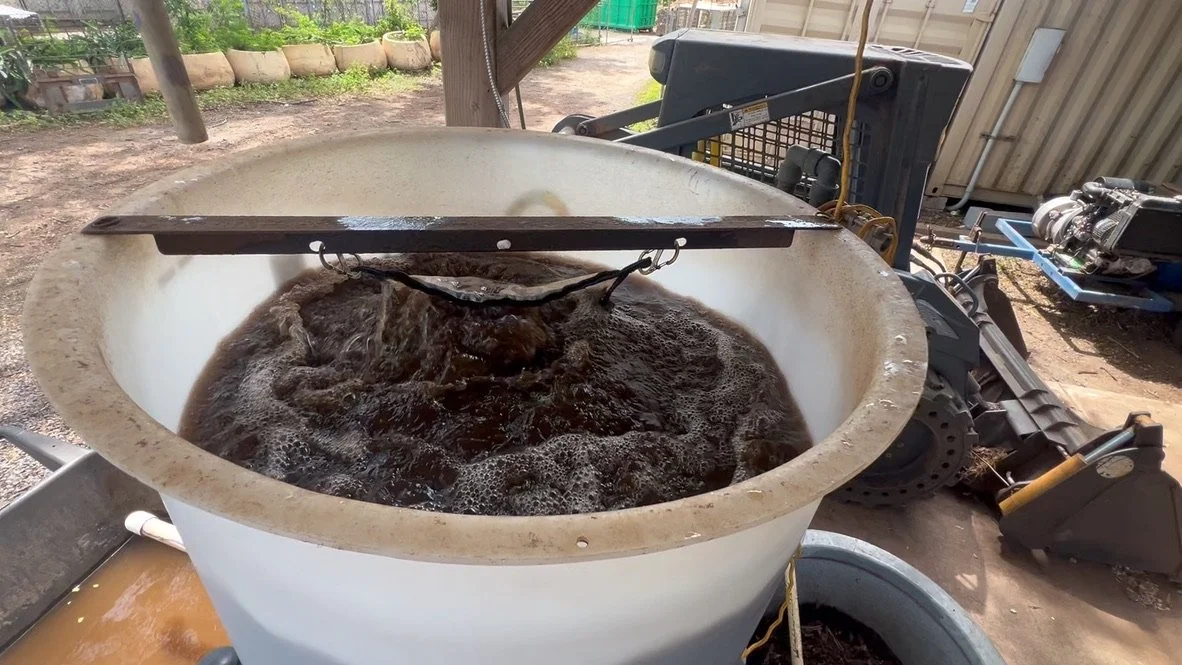
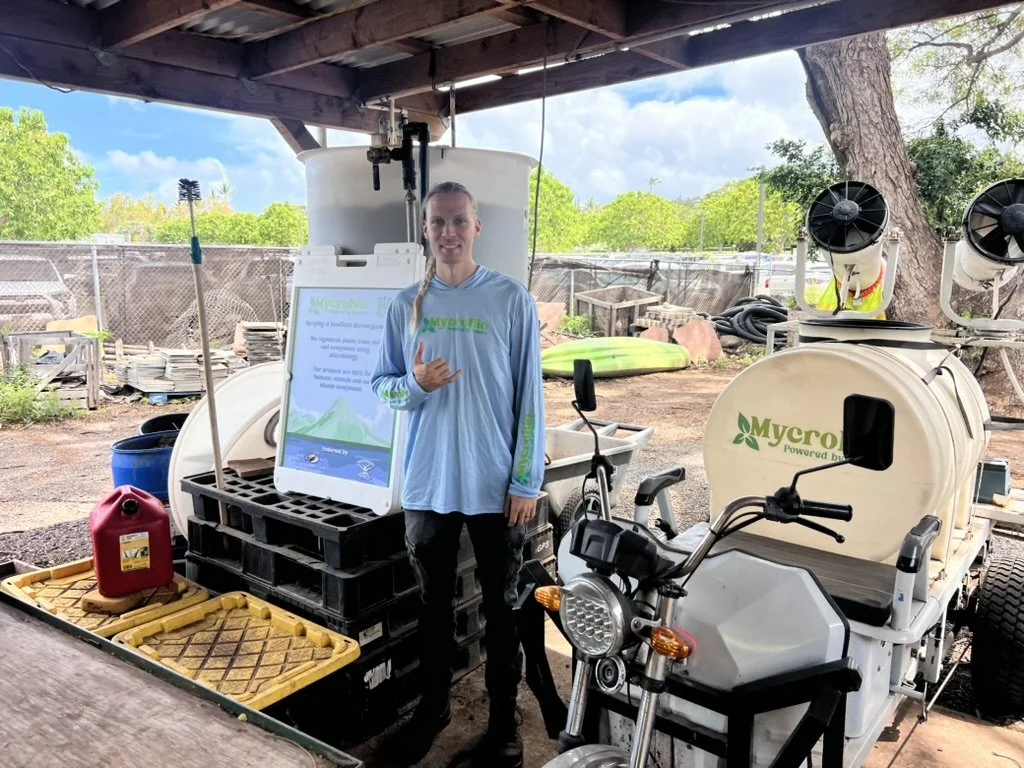
On-Site Brewing System
Infrastructure + capability transfer
Implementation of a fully integrated, on-property biological production system.
Scope:
System design and equipment installation
Property-specific input development
On-site team training and SOP integration
Ongoing technical support Operational impact:
Internal production of biological inputs
Reduced external input costs
Greater control over application quality and timing
Advisory & Transition Strategy
Executive-level guidance
Strategic support for properties transitioning toward lower-input, biologically-driven landscape management.
Scope:
Soil and system assessment
Input reduction strategy
Phased transition planning
Ongoing advisory Operational impact:
Clear pathway to reduced chemical dependency
Alignment with sustainability initiatives
Improved cost predictability over time
Implementation Framework
Assessment → Baseline → Program Design → Deployment → Optimization
Each engagement begins with a site assessment and baseline understanding of current inputs, constraints, and performance targets.
Case Reference
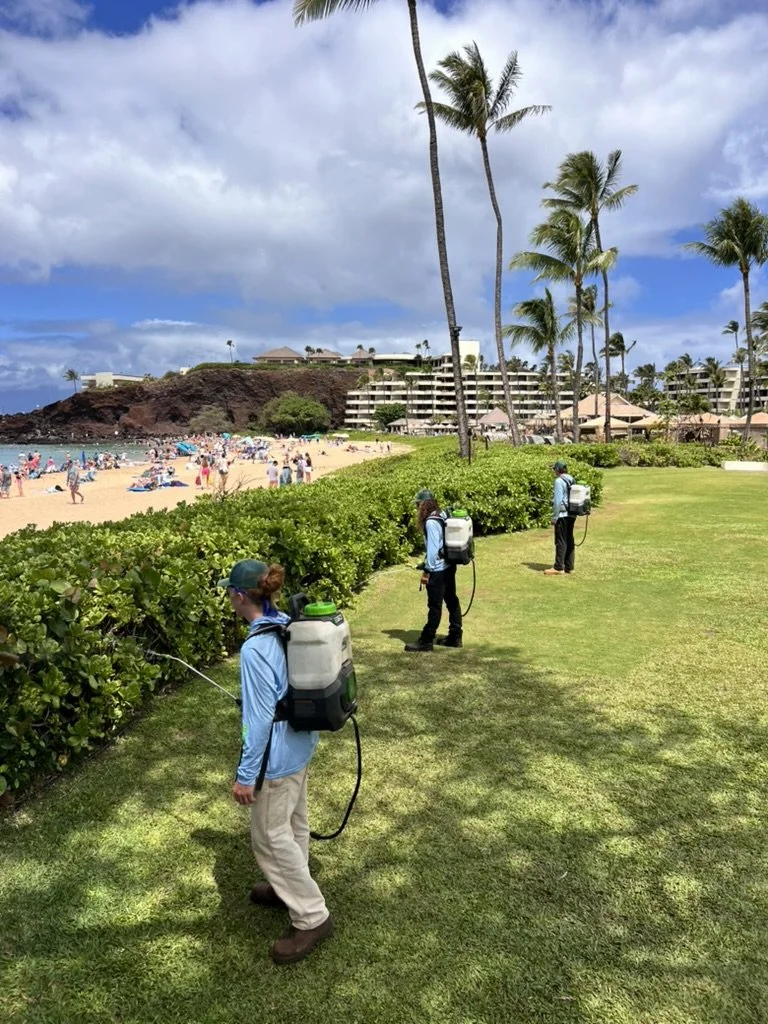
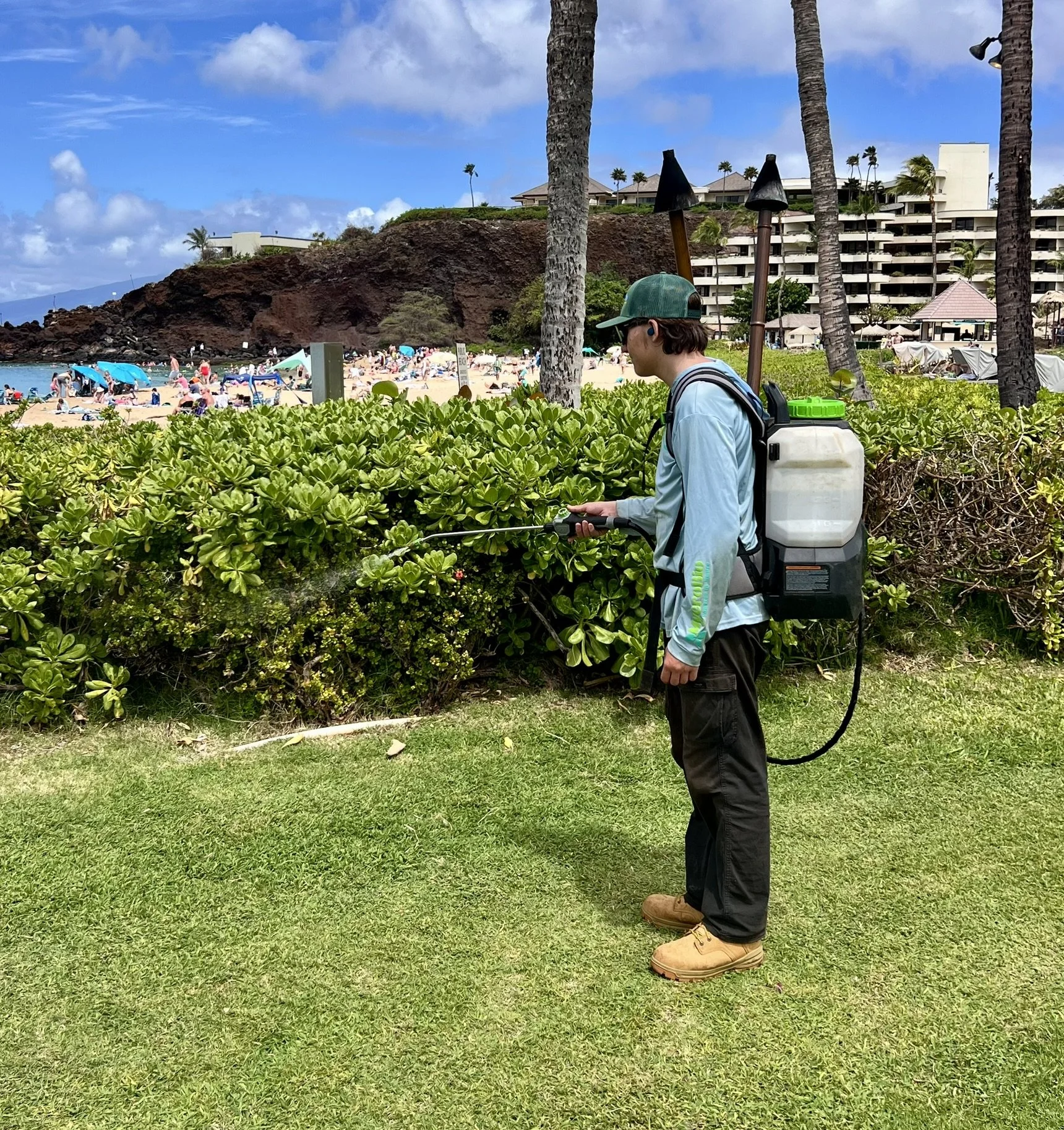
Sheraton Kaanapali signed up for our Soil Biology Program. In 9 months, they:
Saved over $50,000 in landscape replacement costs
Significantly increased flowering and turf health
Eliminated majority of damaged turf areas
Provided landscape consulting to improve their landscapers effectiveness
Cost to the Sheraton: $22,500
Financial Perspective
Conventional Model:
Increasing water demand
Recurring input costs
High plant turnover
Labor-intensive maintenance
Biological Systems Model:
Improved water efficiency
Reduced input dependency
Increased plant longevity
Lower total cost of landscape ownership
Our Current Soil Restoration Partners
Sheraton Kaanapali
Hyatt Kaanapali
Westin Kaanapali
Mariott Ocean Vacation Club
Engagement Start Point
All engagements begin with a Site Assessment. This provides:
System-level evaluation of current conditions
Identification of cost drivers and inefficiencies
Clear recommendations for implementation